Jane Austen's Set of Six
Six of Jane Austen's classic novels in one collection including:
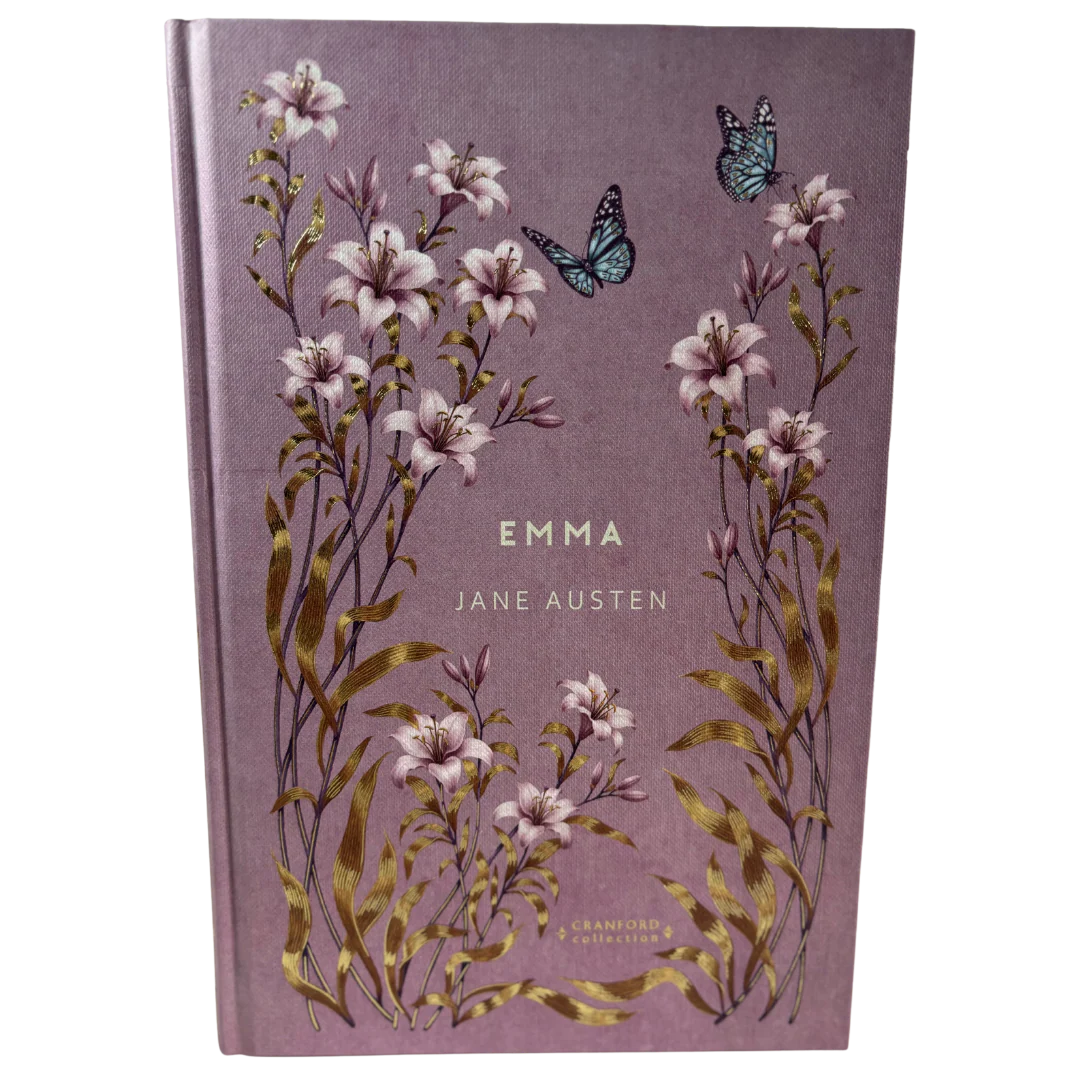
- Emma (New Cover)
- Mansfield Park (New Cover)
- Northanger Abbey (New Cover)
- Persuasion (Green Cover)
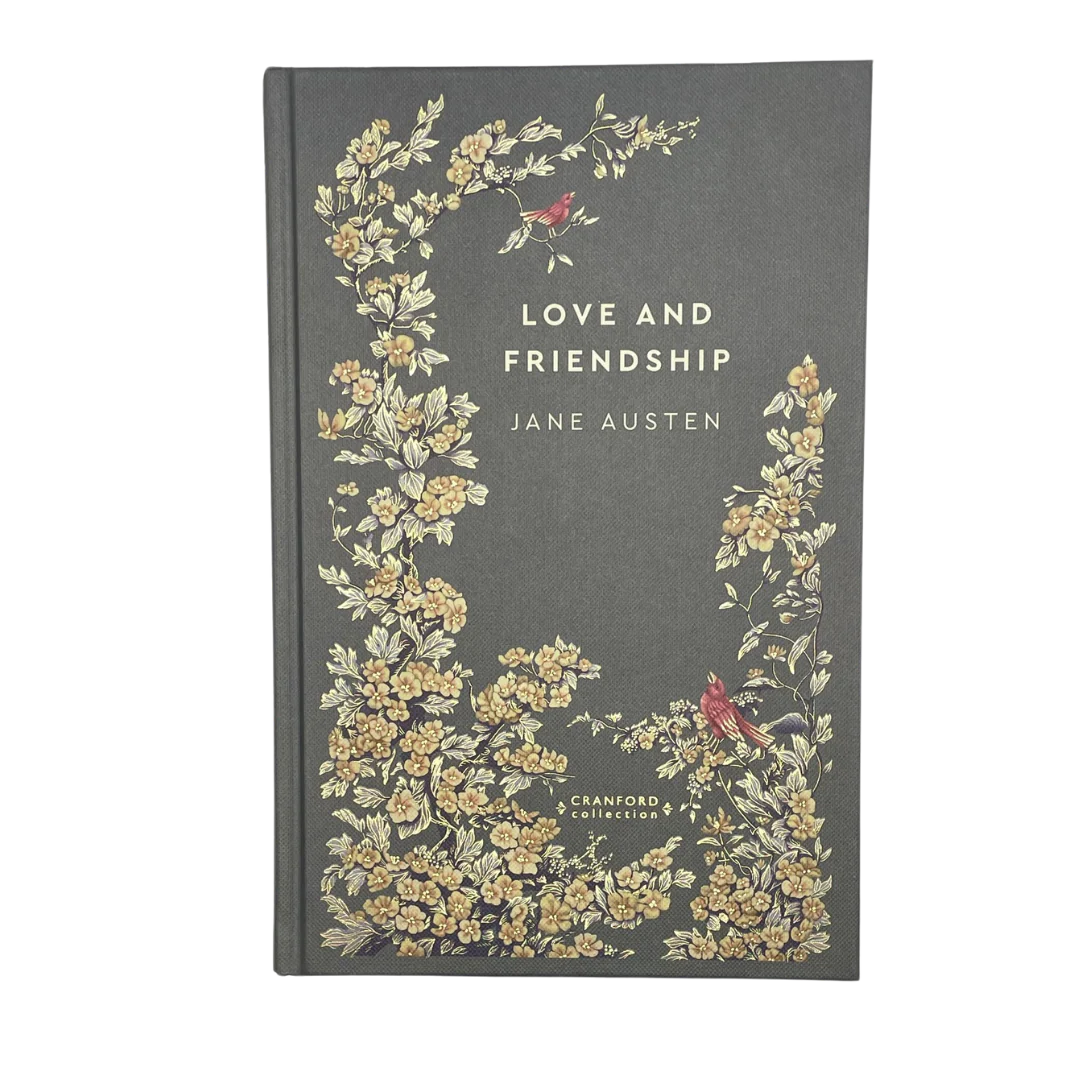
- Love and Friendship
- Pride and Prejudice
Jane Austen’s new set of six major novels offer a rich tapestry of English society in the late 18th and early 19th centuries, primarily focusing on the lives and romantic pursuits of young women within the gentry class. While each story is unique, they collectively explore universal themes of love, marriage, social standing, family dynamics, and the intricate interplay between individual desires and societal expectations. Austen’s keen observations of human nature, her witty prose, and her insightful exploration of character make her works enduringly relevant.
Persuasion follows Anne Elliot, a gentle, intelligent and quietly resilient woman who once allowed herself to be persuaded to break off her engagement to the young naval officer Frederick Wentworth. Eight years later, Wentworth returns, now successful and admired, while Anne’s own circumstances remain constrained by her family’s vanity and financial decline. As they are drawn back into each other’s lives, both must confront the past and navigate the shifting social world of the early nineteenth century. Austen’s narrative blends emotional subtlety, social insight and a mature understanding of regret and renewal, creating a story that resonates with readers long after it ends.
Pride and Prejudice introduces us to the spirited Elizabeth Bennet and the proud Mr Darcy. Their initial animosity, fuelled by social prejudices and misunderstandings, gradually gives way to mutual respect and eventually deep affection. The novel masterfully dissects the societal pressures surrounding marriage and the importance of looking beyond superficial judgements to discover true worth. Elizabeth’s independence and Darcy’s eventual humility pave the way for a love based on genuine connection rather than social convenience.
Emma centres on the well-intentioned but often misguided Emma Woodhouse, a privileged young woman who delights in matchmaking. Her confidence in her own judgement leads to a series of comical and sometimes painful errors, particularly in her interference in the lives of Harriet Smith and others. Through her experiences, Emma learns the limitations of her understanding of social dynamics and the importance of self-awareness. The novel is a witty exploration of social circles, the dangers of presumption, and the gradual awakening of true love.
Northanger Abbey blends social satire with elements of Gothic parody. The naive and imaginative Catherine Morland, an avid reader of Gothic novels, finds herself caught up in the social whirl of Bath and later the mysterious atmosphere of Northanger Abbey. Austen playfully critiques the excesses of Gothic fiction while also exploring the development of Catherine’s understanding of the real world and her burgeoning romance with the sensible Henry Tilney. The novel highlights the importance of distinguishing between fantasy and reality in both literature and life.
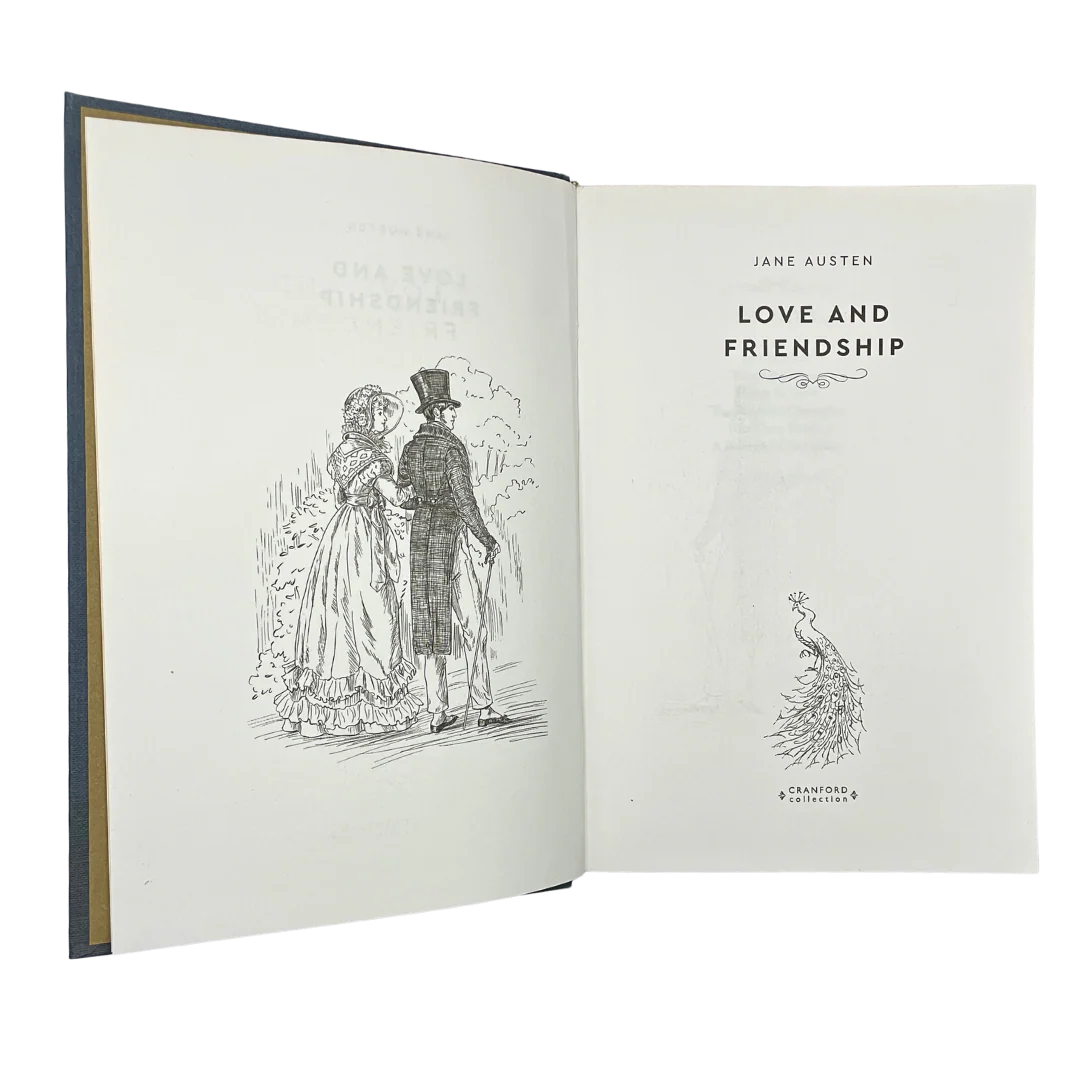
Love and Friendship (written in 1790 but published posthumously) serves as a witty and satirical send-up of the popular sentimental novels of its time, presenting the misadventures of the impulsive and highly dramatic Laura and her friend Isabella. Through a series of absurd and highly-emotional letters, the narrative chronicles their susceptibility to infatuations and their penchant for swooning and fainting at every turn. Their actions, driven by what they believe to be the 'sensibility' of their hearts, lead them into comical and increasingly ridiculous situations.
Finally, Mansfield Park presents a more introspective and morally complex narrative through the character of Fanny Price. Raised in the household of her wealthy but often neglectful relatives, Fanny navigates the social hierarchies and moral ambiguities of Mansfield Park with quiet integrity. The novel examines themes of duty, social obligation, and the corrupting influence of wealth and privilege. Fanny’s steadfastness and moral compass ultimately lead her to find love and security with her cousin Edmund Bertram, highlighting the value of inner worth over outward appearances.
Collectively, these six Jane Austen novels offer a nuanced and enduring portrait of human relationships within a specific social context. Austen’s sharp wit, insightful characterisations, and exploration of timeless themes continue to captivate readers, making her a cornerstone of English literature.
Six of Jane Austen's classic novels in one collection including:
- Emma (New Cover)
- Mansfield Park (New Cover)
- Northanger Abbey (New Cover)
- Persuasion (Green Cover)
- Love and Friendship
- Pride and Prejudice
Jane Austen’s new set of six major novels offer a rich tapestry of English society in the late 18th and early 19th centuries, primarily focusing on the lives and romantic pursuits of young women within the gentry class. While each story is unique, they collectively explore universal themes of love, marriage, social standing, family dynamics, and the intricate interplay between individual desires and societal expectations. Austen’s keen observations of human nature, her witty prose, and her insightful exploration of character make her works enduringly relevant.
Persuasion follows Anne Elliot, a gentle, intelligent and quietly resilient woman who once allowed herself to be persuaded to break off her engagement to the young naval officer Frederick Wentworth. Eight years later, Wentworth returns, now successful and admired, while Anne’s own circumstances remain constrained by her family’s vanity and financial decline. As they are drawn back into each other’s lives, both must confront the past and navigate the shifting social world of the early nineteenth century. Austen’s narrative blends emotional subtlety, social insight and a mature understanding of regret and renewal, creating a story that resonates with readers long after it ends.
Pride and Prejudice introduces us to the spirited Elizabeth Bennet and the proud Mr Darcy. Their initial animosity, fuelled by social prejudices and misunderstandings, gradually gives way to mutual respect and eventually deep affection. The novel masterfully dissects the societal pressures surrounding marriage and the importance of looking beyond superficial judgements to discover true worth. Elizabeth’s independence and Darcy’s eventual humility pave the way for a love based on genuine connection rather than social convenience.
Emma centres on the well-intentioned but often misguided Emma Woodhouse, a privileged young woman who delights in matchmaking. Her confidence in her own judgement leads to a series of comical and sometimes painful errors, particularly in her interference in the lives of Harriet Smith and others. Through her experiences, Emma learns the limitations of her understanding of social dynamics and the importance of self-awareness. The novel is a witty exploration of social circles, the dangers of presumption, and the gradual awakening of true love.
Northanger Abbey blends social satire with elements of Gothic parody. The naive and imaginative Catherine Morland, an avid reader of Gothic novels, finds herself caught up in the social whirl of Bath and later the mysterious atmosphere of Northanger Abbey. Austen playfully critiques the excesses of Gothic fiction while also exploring the development of Catherine’s understanding of the real world and her burgeoning romance with the sensible Henry Tilney. The novel highlights the importance of distinguishing between fantasy and reality in both literature and life.
Love and Friendship (written in 1790 but published posthumously) serves as a witty and satirical send-up of the popular sentimental novels of its time, presenting the misadventures of the impulsive and highly dramatic Laura and her friend Isabella. Through a series of absurd and highly-emotional letters, the narrative chronicles their susceptibility to infatuations and their penchant for swooning and fainting at every turn. Their actions, driven by what they believe to be the 'sensibility' of their hearts, lead them into comical and increasingly ridiculous situations.
Finally, Mansfield Park presents a more introspective and morally complex narrative through the character of Fanny Price. Raised in the household of her wealthy but often neglectful relatives, Fanny navigates the social hierarchies and moral ambiguities of Mansfield Park with quiet integrity. The novel examines themes of duty, social obligation, and the corrupting influence of wealth and privilege. Fanny’s steadfastness and moral compass ultimately lead her to find love and security with her cousin Edmund Bertram, highlighting the value of inner worth over outward appearances.
Collectively, these six Jane Austen novels offer a nuanced and enduring portrait of human relationships within a specific social context. Austen’s sharp wit, insightful characterisations, and exploration of timeless themes continue to captivate readers, making her a cornerstone of English literature.
Original: $100.34
-65%$100.34
$35.12Description
Six of Jane Austen's classic novels in one collection including:
- Emma (New Cover)
- Mansfield Park (New Cover)
- Northanger Abbey (New Cover)
- Persuasion (Green Cover)
- Love and Friendship
- Pride and Prejudice
Jane Austen’s new set of six major novels offer a rich tapestry of English society in the late 18th and early 19th centuries, primarily focusing on the lives and romantic pursuits of young women within the gentry class. While each story is unique, they collectively explore universal themes of love, marriage, social standing, family dynamics, and the intricate interplay between individual desires and societal expectations. Austen’s keen observations of human nature, her witty prose, and her insightful exploration of character make her works enduringly relevant.
Persuasion follows Anne Elliot, a gentle, intelligent and quietly resilient woman who once allowed herself to be persuaded to break off her engagement to the young naval officer Frederick Wentworth. Eight years later, Wentworth returns, now successful and admired, while Anne’s own circumstances remain constrained by her family’s vanity and financial decline. As they are drawn back into each other’s lives, both must confront the past and navigate the shifting social world of the early nineteenth century. Austen’s narrative blends emotional subtlety, social insight and a mature understanding of regret and renewal, creating a story that resonates with readers long after it ends.
Pride and Prejudice introduces us to the spirited Elizabeth Bennet and the proud Mr Darcy. Their initial animosity, fuelled by social prejudices and misunderstandings, gradually gives way to mutual respect and eventually deep affection. The novel masterfully dissects the societal pressures surrounding marriage and the importance of looking beyond superficial judgements to discover true worth. Elizabeth’s independence and Darcy’s eventual humility pave the way for a love based on genuine connection rather than social convenience.
Emma centres on the well-intentioned but often misguided Emma Woodhouse, a privileged young woman who delights in matchmaking. Her confidence in her own judgement leads to a series of comical and sometimes painful errors, particularly in her interference in the lives of Harriet Smith and others. Through her experiences, Emma learns the limitations of her understanding of social dynamics and the importance of self-awareness. The novel is a witty exploration of social circles, the dangers of presumption, and the gradual awakening of true love.
Northanger Abbey blends social satire with elements of Gothic parody. The naive and imaginative Catherine Morland, an avid reader of Gothic novels, finds herself caught up in the social whirl of Bath and later the mysterious atmosphere of Northanger Abbey. Austen playfully critiques the excesses of Gothic fiction while also exploring the development of Catherine’s understanding of the real world and her burgeoning romance with the sensible Henry Tilney. The novel highlights the importance of distinguishing between fantasy and reality in both literature and life.
Love and Friendship (written in 1790 but published posthumously) serves as a witty and satirical send-up of the popular sentimental novels of its time, presenting the misadventures of the impulsive and highly dramatic Laura and her friend Isabella. Through a series of absurd and highly-emotional letters, the narrative chronicles their susceptibility to infatuations and their penchant for swooning and fainting at every turn. Their actions, driven by what they believe to be the 'sensibility' of their hearts, lead them into comical and increasingly ridiculous situations.
Finally, Mansfield Park presents a more introspective and morally complex narrative through the character of Fanny Price. Raised in the household of her wealthy but often neglectful relatives, Fanny navigates the social hierarchies and moral ambiguities of Mansfield Park with quiet integrity. The novel examines themes of duty, social obligation, and the corrupting influence of wealth and privilege. Fanny’s steadfastness and moral compass ultimately lead her to find love and security with her cousin Edmund Bertram, highlighting the value of inner worth over outward appearances.
Collectively, these six Jane Austen novels offer a nuanced and enduring portrait of human relationships within a specific social context. Austen’s sharp wit, insightful characterisations, and exploration of timeless themes continue to captivate readers, making her a cornerstone of English literature.